Oil to gas conversion: what actually changes in the basement
Swapping the burner is the easy part. The tank, the venting and the gas supply are what actually decide how the job goes.
September 16, 2026 · 4 min read
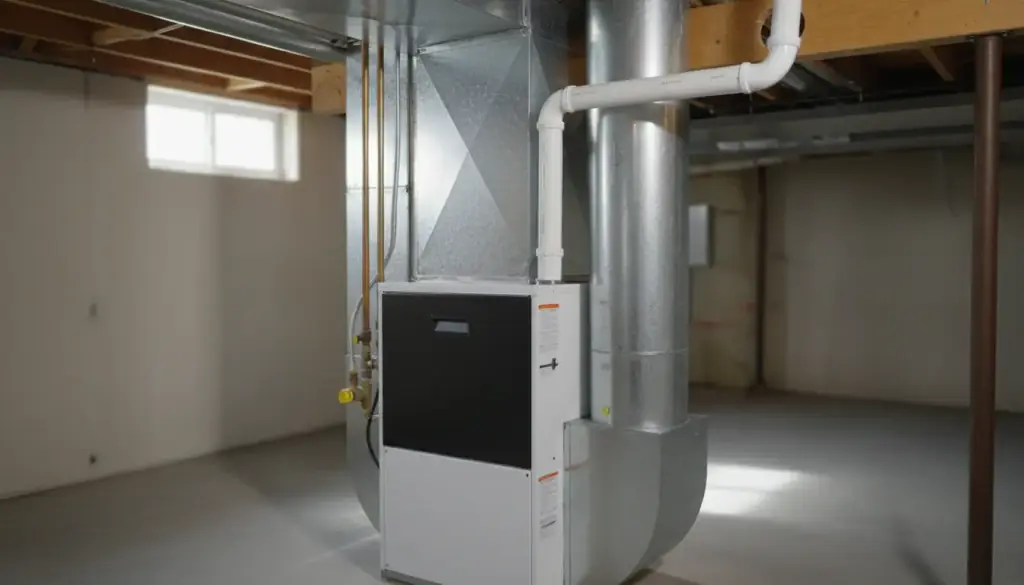
Most people who ask about converting from oil to gas are thinking about the burner. The burner is genuinely the smallest part of the job. What actually changes in the basement is the tank, the venting, and in a lot of houses, the gas supply itself, and understanding those three things before committing to a conversion is what keeps the job from turning into a surprise partway through.
Why people convert
The two reasons we hear most are cost and convenience. Gas is typically cheaper to run than oil over a season, and it removes the need for deliveries, an outdoor or basement tank, and the annual question of whether the tank is filled before the cold snap hits. It also burns cleaner, which means less soot buildup in the heat exchanger and flue over time.
The oil tank has to go somewhere
An existing oil tank, whether it sits in the basement or is buried outside, needs to be properly emptied and either removed or decommissioned according to New York regulations. This is not a step to skip or shortcut. An improperly abandoned tank, especially a buried one, is a liability that follows the property at resale, not just an inconvenience today. Any reputable conversion includes a plan for the tank before the new equipment ever goes in.
Venting changes more than people expect
An oil system typically vents through a masonry chimney. A high efficiency gas boiler or furnace usually does not use that chimney at all. It vents through PVC pipe run out through the rim joist or up an exterior wall, at a lower temperature than an oil flue produces. That is good for efficiency, but it means the old chimney, if it is not being used for anything else in the house, needs to be capped correctly so it is not drawing cold air into the basement or acting as a path for moisture. Skipping this step is one of the most common things we find wrong on a house that had its conversion done by someone in a hurry.
The gas supply itself
Converting means either a new connection to a gas main, if one runs to the property, or a propane tank installation if it does not. Either way, the existing gas line, if there is one already serving a stove or a water heater, has to be checked and often upsized to carry the additional load a heating appliance adds. This is a step that is easy to underestimate from the outside and one worth confirming with the contractor before signing off on a price.
It is a good moment to reconsider the whole plant, not just the fuel
Because a conversion already means new equipment in the basement, it is worth deciding at the same time whether the current boiler or furnace is correctly sized for the house, rather than simply swapping a gas burner into the same old cabinet. A conversion is a natural point to fix a system that has been oversized, undersized or awkwardly zoned for years, since the piping and venting are already being touched.
What does not change
The radiators, baseboard or radiant tubing already carrying heat through the house stay exactly as they are. A conversion changes how the water gets heated, not how the heat gets delivered to each room. If those emitters were balanced and working well before, they will keep working the same way afterward. This is worth knowing because it means a conversion does not force a second, larger renovation on top of the equipment swap.
What the house feels like afterward
The most noticeable day-to-day change is usually the smallest one on paper. No more oil delivery truck scheduling around a fill, no faint oil smell near the tank on a cold start, and one less thing to think about before a hard freeze. The heat itself, assuming the new equipment is sized correctly, should not feel any different room to room than it did before. A conversion that changes how a house heats, rather than just what it burns, usually means something in the sizing or the zoning was not carried over correctly.
What to ask before committing
- What happens to the existing oil tank, and is decommissioning or removal included in the quote?
- Does the old chimney need to be capped, and who is responsible for that step?
- Has the existing gas line been checked for capacity, or only assumed to be adequate?
- Is the new equipment being sized to the house's actual heat loss, or matched to what was there before?
- What is the timeline for a period without heat during the swap, and is there a plan for that gap?
Dan's Heating & Cooling Inc., 518-339-6534
Call 518-339-6534More articles
A boiler is a twenty year decision. Here is what actually makes one last that long.
Cast iron, near-boiler piping and hard well water do more to decide a boiler's lifespan than the sticker on the front of it.
Air conditioning for a house with no ductwork: high-velocity or ductless, and how to actually decide
Two real ways to cool a house that was never built for ducts, and the questions that actually decide which one is right for yours.